




TL;DR
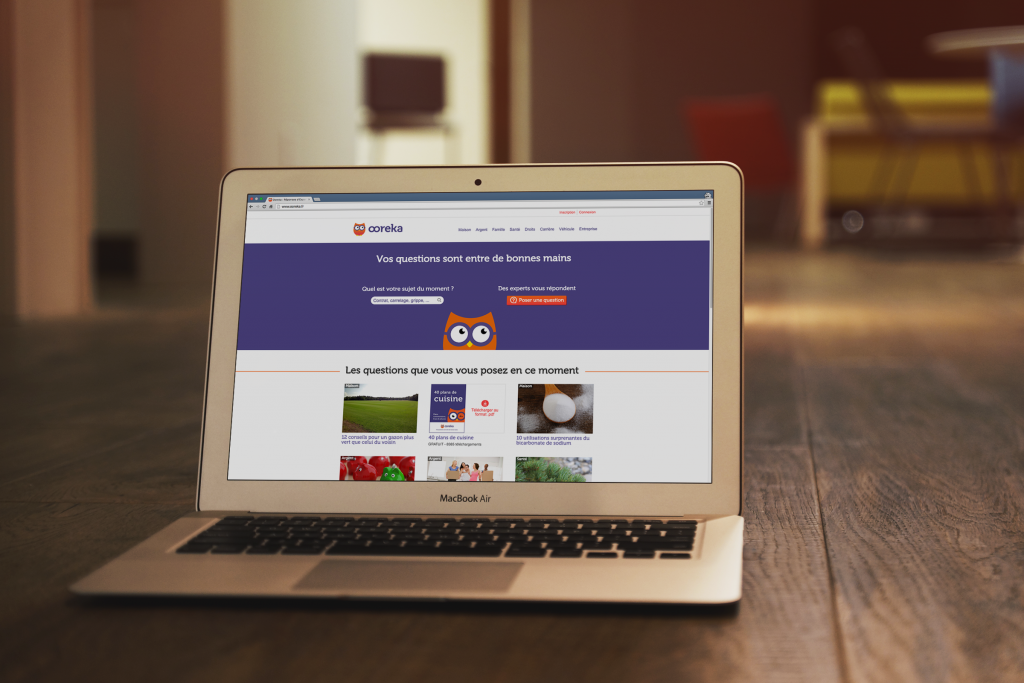
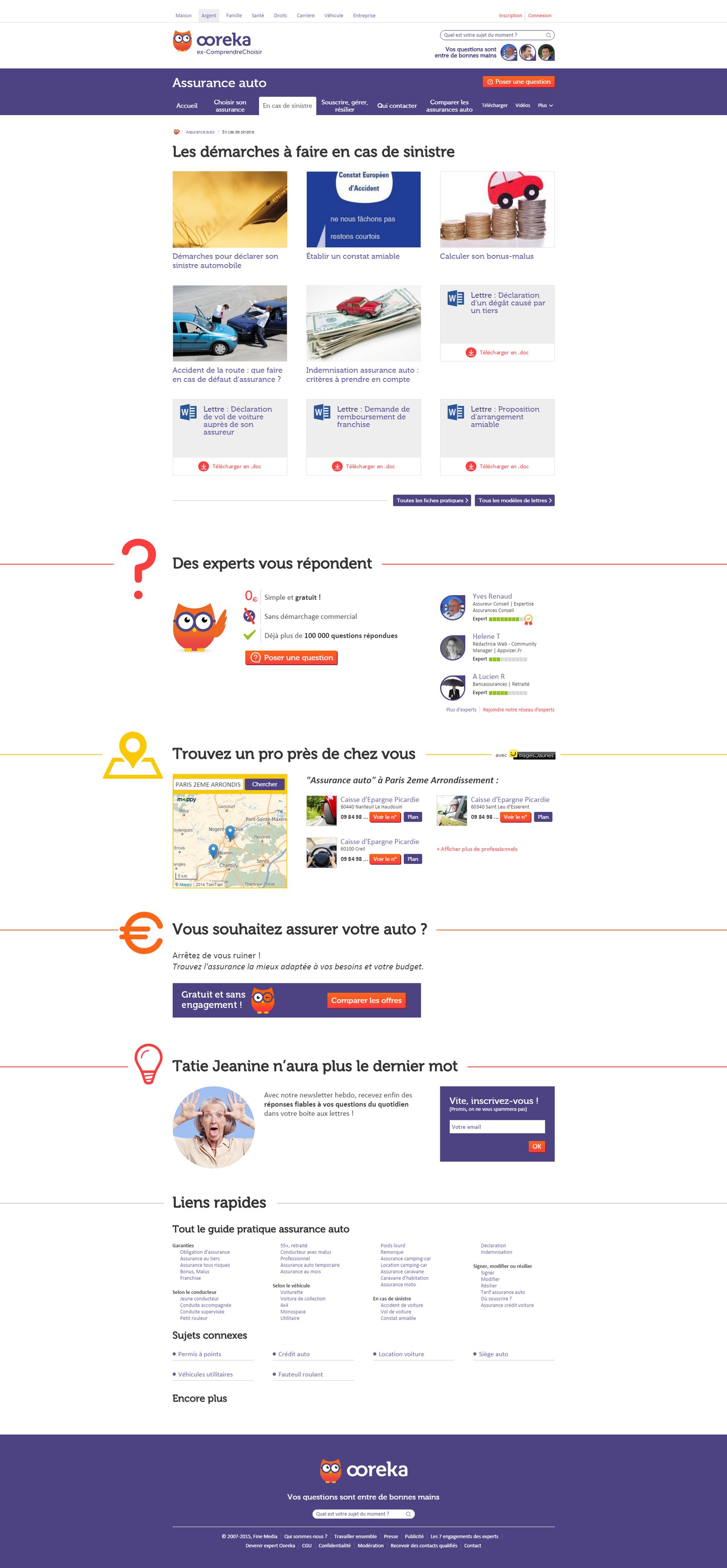
Led product design for Ooreka, a content-based website editor that scaled to 460 specialized websites reaching 20 million unique visitors monthlyince I was the first designer, I defined the user experience, visual identity, and design system while establishing an industrialized framework to maintain consistency across the entire platform.
INFOS
- Client: Ooreka
- Role: Product Manager / Brand Manager
- Target users: internet user searching for information in any of our verticals
Core skills
- Product Design | UX/UI Design
- User Research
- Design Systems
- Responsive Design
- Roadmap | User stories
- Brand Management
- HTML5 / CSS / Smarty
- Adobe Creative Suite | Sketch | Invision
- Kameleoon | AB Tasty
KPIs
- 460 websites deployed on industrialized framework
- 20M unique visitors per month across platform
The challenge: designing at industrial scale
Ooreka’s ambitious model—publishing highly targeted content across hundreds of specialized domains—required maintaining design consistency, user experience quality, and brand coherence across a massive, rapidly growing ecosystem.
As the first employee of the startup and the first designer, I faced the challenge of creating a framework robust enough to scale industrially while remaining flexible enough to serve diverse content types and user needs.
My approach
1. Discovery: aligning business and user needs
- Stakeholder collaboration: Gathered requirements from CEO and marketing teams to understand business objectives
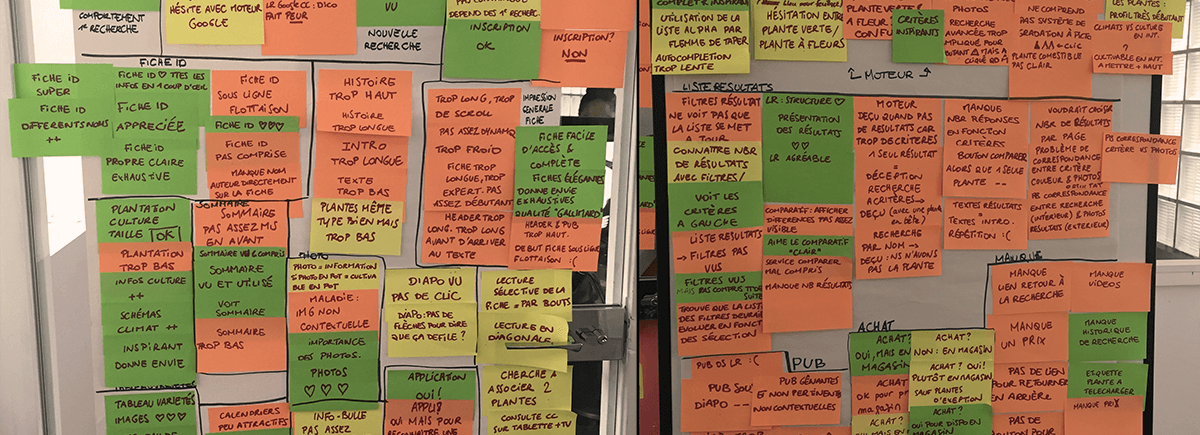
- User research: Conducted A/B testing campaigns, lab usability tests, and AT Internet data analysis to validate assumptions
- Information architecture: Designed scalable IA patterns adaptable across 460 different subject domains
- Custom CMS: Partnered with CTO & editorial team to identify technical constraints and industrialization opportunities to built and improve a custom CMS
2. Design: building systems for scale
- Responsive UX/UI: Created user flows, wireframes, prototypes, and design systems ensuring consistent experience across devices
- Functional conception: Defined user workflows, feature specifications, user stories, and interaction patterns for all platform features
- Design system: Established reusable components and templates enabling rapid, consistent website deployment
- Brand identity: Developed cohesive visual language extending across websites, print ads, radio campaigns, and video content
3. Optimize: continuous improvement through data
- SEO integration: Collaborated on content and UX patterns optimized for search performance
- Performance monitoring: Worked closely with CTO to ensure platform speed and reliability at scale
- Iterative testing: Used analytics and user testing to refine features and validate design decisions
- Template industrialization: Created systematic processes enabling efficient deployment of new websites (up to 10 website per week)
Outcomes
- Scalable platform: Successfully deployed 460 specialized websites maintaining design and UX consistency
- Massive reach: Achieved 20 million monthly unique visitors through user-centered design and SEO optimization
- Industrialized process: Created reusable systems dramatically reducing time-to-market for new properties
- Unified brand: Established coherent identity across digital platforms and traditional media channels
Key learnings
- Systems thinking is survival: At industrial scale, every design decision must consider reusability and systematic implementation
- Constraints breed creativity: Limited resources forced elegant, scalable solutions rather than bespoke approaches
- Data grounds intuition: Balancing qualitative user insights with quantitative analytics validated design at scale
- Cross-functional partnership: Close collaboration with CTO transformed technical constraints into design opportunities
Beyond delivery: The real achievement was architecting design infrastructure that could scale from dozens to hundreds of properties while maintaining quality—proving that systematic thinking and user-centered design aren’t opposing forces.